CALL US NOW
24 HOUR HOT LINE (909) 971-3333

If your loved one is dealing with addiction, don’t wait. Call our recovery program now. Our phone line is open 24 hours a day, 7 days a week for free professional and confidential assessments . Our experts will help you sort through the many questions, concerns and challenges you may be facing in getting your loved one help. Freedom from addiction is possible. We can show you how. CALL US NOW, DON’T WAIT, TOMORROW MIGHT BE LATE.
Drug addiction is a disease that affects the entire family. When one member of a family suffers, oftentimes the entire family suffers. In some instances, loved ones who struggle with addiction may begin to engage in covert or otherwise questionable behaviors in order to continue their drug or alcohol abuse.

We respect your privacy.

We respect your privacy.
Statistics show that the children of individuals who suffer from addiction are more likely to suffer from behavioral problems and potential genetic predispositions that render them more vulnerable to developing addictions as well.
Over time, the destructive influence of drug use within a family can cause family members to feel helpless. The truth is, however, that families are not helpless when it comes to protecting themselves and their loved one who is struggling with addiction.
One of the most challenging roles to be played in an addict’s life is to be the interventionist, to confront the addict and ask him to seek help. This responsibility almost always falls on family members. Nobody admits mistakes. Denial is always what makes the process difficult. The first intervention team is always the family of the patient. But when all efforts fail, you might want to seek professional help from “ I can recovery” . We offer family members supportive services:

 EDUCATION
If you find yourself in a family with at least one member with addiction issues, one of the first steps you can take is to educate yourself about the processes that play into addiction development, and ways that it can be treated. Call us now and we will help you to bring your family back together. Trust our professionals and your loved ones will be next
PLAN AN INTERVENTION
In the past, families and friends of people suffering from addiction were often told that their loved ones had to make the decision to get help on their own.
These families would feel forced to sit back and throw their hands in the air – praying that their son, daughter, parent or sibling would “hit rock bottom” before it was too late.
In more recent years, however, the process of the intervention has proven beneficial for many families.
WHAT IS AN INTERVENTION?
An intervention is a process by which family and friends deliberately confront individuals struggling with addiction about the damage their addiction is doing to both them and the people they love.
With the help of a professional interventionist, individuals may begin to see what their addiction is costing them – in terms of relationships, finances, and personal health.
Interventions serve to introduce “rock bottom” to your loved one. Rather than waiting around and risking serious injury or death as a result of your loved one’s addiction, interventions help your family take back some control. They confront individuals with the dangers of addiction while also offering solutions to get out of addiction. Don’t take a control in your hands call us and we will come to you and will hear you.
SUCCESSFUL INTERVENTION MAY LEAD TO
TREATMENT
If successful, the intervention could prompt your family member to immediately enter a detox facility – followed by a drug and alcohol rehabilitation program. In the event of such a successful outcome, it is important to have already done the research to find a facility that is ready to accept your loved one into treatment immediately.
Your family’s involvement in the drug treatment process does not end once your loved one has agreed to seek treatment, however.
WHAT IS THE FAMILY’S ROLE IN REHAB?
Families can play a superior role addiction rehabilitation by providing the loved one with a supportive and safe harbor.
There are two major types of rehab structures for the treatment of drug and alcohol addiction. Family support for the recovering individual may look a bit different, depending on the type of rehab structure chosen.
These two main rehab structures include:
OUTPATIENT REHAB – HOW TO SUPPORT YOUR LOVED ONE
If your loved one is enrolled in an outpatient program, he or she may need a safe place to stay during treatment — away from the reminders and temptations of drug and alcohol abuse.
EMOTIONAL SUPPORT
Another aspect of family involvement in outpatient treatment includes providing constant encouragement to the recovering individual. Offering a compassionate shoulder to cry on, for instance, can go a long way to helping your loved one overcome the cravings associated with withdrawal and recovery.
Many times, those in recovery who feel alone will succumb to their cravings and go against their own desires to get well. This is due to the changes that occur in the brain as the body becomes dependent on a substance. Addiction can even lead individuals to continue their use of drugs and alcohol even in the face of negative consequences.
By providing emotional support, family members can help those struggling with addiction to recover by helping alleviate those feelings of aloneness.
INPATIENT REHAB – HOW TO SUPPORT YOUR LOVED ONE
If the recovering individual has decided on inpatient treatment after consulting with his or her healthcare provider, the family can still maintain an active role in the recovery process.
Below are several ways you might consider supporting your family member as he or she undergoes inpatient treatment:
As recovering individuals regain their ability to think clearly, they may be humiliated and embarrassed by their behavior. By showing support throughout the recovery process, families can help to restore the self-confidence that the recovering family member has been without for some time.
TIPS AND TRICKS FOR HELPING YOUR FAMILY THROUGH THE REHABILITATION
PROCESS
The rehabilitation process involves addressing the components of both physical and psychological addiction. The initial detox phase is when the body rids itself of any physical traces of the substance that was abused. The behavioral and emotional components of addiction are addressed during the remainder of rehab – when therapy and counseling are often heavily used alongside occasional pharmacological treatment.
You can play a role in helping your family member through both phases of the rehabilitation process.
SUPPORT DURING DETOX
During the first stage of the recovery process – the detox phase – your recovering family member may experience a range of unpleasant withdrawal symptoms, including:
A few tips for helping your family member get through these initial hours of severe discomfort can be helpful:
SUPPORT AFTER DETOX
After your loved one’s detox phase has ended, one of the most important tips to help your family make it through the recovery process is to keep apositive attitude. Having a positive attitude will not always be easy, as the recovery process is a difficult one. If needed, you can arrange to have your family members visit with a counselor or therapist one-on-one to relieve some of the stress they may each be feeling. In cases where your recovering family member is a teen, sessions of multidimensional family therapy have proven to be beneficial to all members of the family – as they help to develop :
A few of the more common questions family members often want answers to include the following:
1. WHAT IS ADDICTION?
According to the National Institute on Drug Abuse, addiction is a chronic disease. It is a relapsing brain disease with specific characteristics – including a compulsion to continue using drugs no matter how bad the consequences are. Addicted individuals may:
None of these consequences matter to addicted individuals while they are in the throes of the disease, however. Families can play an important role in helping their loved one understand then power of addiction over their minds and bodies.
2. CAN’T MY FAMILY MEMBER STOP USING DRUGS IF HE OR SHE REALLY WANTS
TO?
This is a tricky question.
One of the first requirements for successful drug addiction recovery treatment is the user’s desire to get his or her life back. However, the desire to stop using drugs is not always enough.
As an individual becomes addicted to drugs, the brain goes through a number of physical, emotional and psychological changes. These changes can:
In addition to the changes in the brain, the body can experience terrible physical effects from the withdrawal of certain kinds of drugs. Recovering individuals may experience extreme physical pain in the joints and muscle tissue when drugs are suddenly stopped. As much as these individuals may want to achieve sobriety, they may find themselves unable to stop using on their own – simply since they feel the need to relieve the uncomfortable withdrawal symptoms “one last time.”
3. IS THERE A CURE FOR DRUG ADDICTION?
Addiction is often a chronic process, much like diabetes – unfortunately, there is no easy “cure.”
It is possible, however, to manage addiction symptoms through a comprehensive treatment plan so that the addiction no longer controls one’s life on a daily basis. The treatment process may take some time, and the recovery process is often lifelong.
Some recovering individuals report that after a while, the cravings lessen and aren’t as noticeable. Others say that they continue to fight cravings on a daily basis – even years after they’ve stopped using drugs. Each individual is different, and each recovery process is unique.
There is hope for the addicted individual, however. With the proper professional and family support in place, your loved one can indeed recover from an addiction.
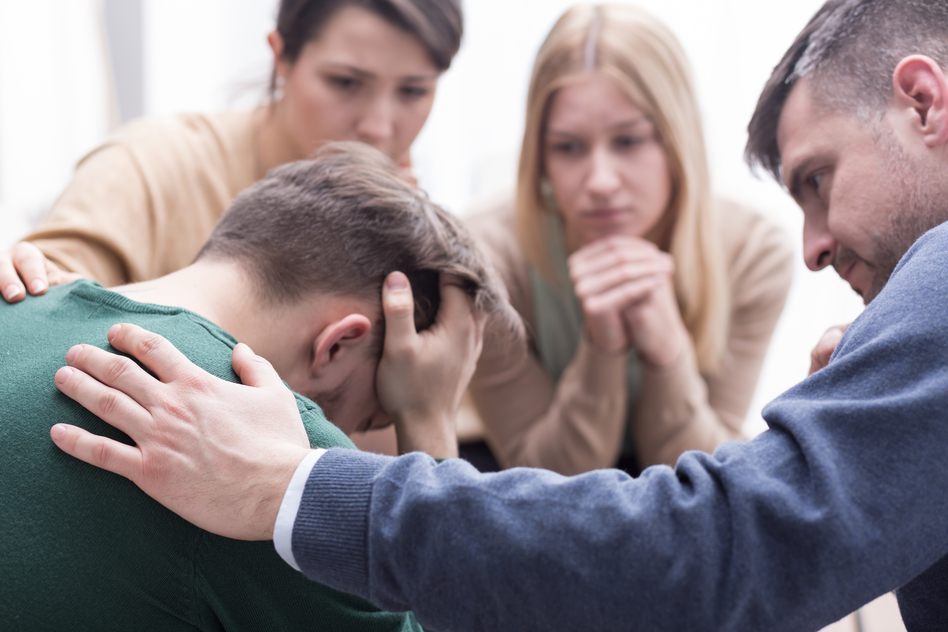
Once your family member has completed the rehabilitation treatment program for drug and alcohol addiction, he or she will need ongoing support to remain successful.
One important aspect to remember – especially in the early days of recovery – is that relapse is often a regular aspect of addiction. Not every recovering individual will relapse, but many will. Relapse does not mean that the treatment program was unsuccessful.
Relapse does require, however, that you and your family pick the pieces up again, keep moving forward, and keep spirits high. Maintain a self-encouraging state of mind and understand that a relapse does not mean failure.
Be sure to help your recovering family member stay away from harmful influences by keeping drugs and alcohol out of the home as much as possible — including prescription medications that have been legally obtained for other members of the family. If these medications are required, keep them locked in a safe – away from your family member who may be tempted to use them.